


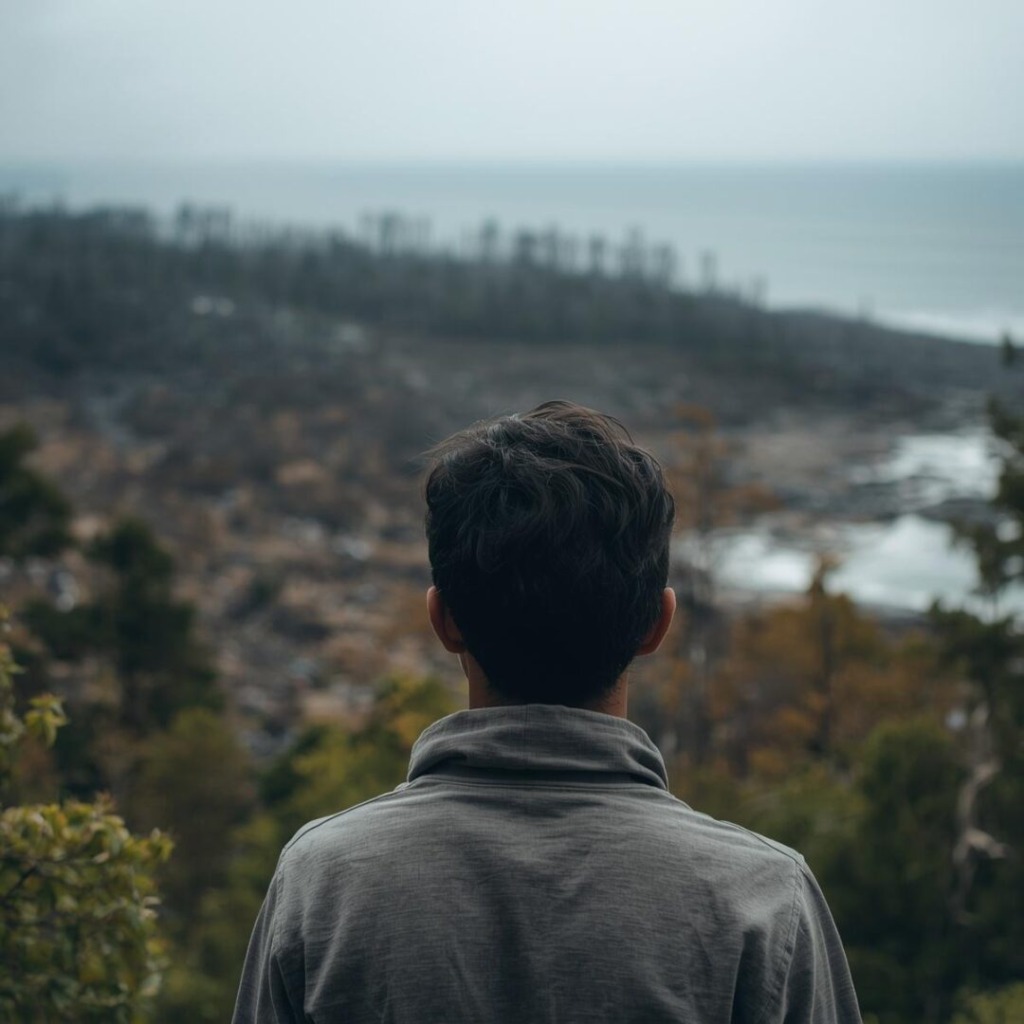
April brings attention to two important conversations: Earth Day and environmental awareness. While discussions about climate change often focus on physical impacts like extreme weather or rising temperatures, another important area is gaining attention: mental health.
Researchers and clinicians are increasingly recognizing how environmental stress can influence emotional well-being. From anxiety about the future to trauma following natural disasters, climate change can affect mental health in ways that are both immediate and long-lasting.
For some individuals, these experiences manifest as eco-anxiety, ecological grief, or trauma related to environmental change. Understanding these responses, and knowing how to manage them, is becoming an important part of supporting mental health in today’s world.
At Cantera Psychiatry, this conversation aligns with a whole-person approach to care, recognizing that mental health is shaped by the complex relationship between individuals, communities, and the environments they live in. This blog explores how climate change affects mental health and offers strategies for coping with eco-anxiety, environmental grief, and related challenges.
How Climate Change Can Affect Mental Health
Climate change can influence mental health through both direct and indirect ways.
Some effects happen quickly. For example, extreme weather events such as floods, wildfires, droughts, or hurricanes can lead to immediate psychological distress and trauma. Individuals affected by these events may experience symptoms of post-traumatic stress disorder (PTSD), anxiety, depression, or acute stress reactions.
Other impacts develop more gradually.
Rising temperatures, environmental degradation, and ongoing climate uncertainty can create chronic psychological stress. Research has found links between higher temperatures and increases in mental health-related hospital visits, aggression, and suicide rates.
Environmental change can also disrupt daily life in subtle ways, affecting physical health, food availability, air quality, and economic stability. Over time, these stressors can compound and influence emotional well-being.
Understanding Eco-Anxiety and Environmental Distress
One of the most discussed climate-related mental health responses is eco-anxiety.
Eco-anxiety refers to persistent worry or fear about environmental destruction and the future of the planet. Unlike traditional anxiety disorders, eco-anxiety is generally considered a rational response to a real and complex global challenge, rather than a mental illness itself.
However, when these concerns become overwhelming, they can lead to:
- Chronic worry about the future
- Feelings of helplessness or loss of control
- Difficulty concentrating or sleeping
- Emotional exhaustion or burnout
- Avoidance of news or environmental discussions
Another related concept is solastalgia, a term used to describe the distress people feel when their home environment changes in unwanted ways. Unlike nostalgia, which refers to longing for a place far away, solastalgia describes a feeling of homesickness while still living in the same place.
For example, someone may experience grief after witnessing the loss of local ecosystems, forests, wildlife, or landscapes that once shaped their sense of identity and belonging.
These emotional responses highlight how much humans are deeply connected to the natural world. When environmental systems change dramatically, it can affect our psychological sense of stability and safety.
Why Some Populations Are More Vulnerable
While environmental stress can affect anyone, research suggests that some populations are particularly vulnerable to climate-related mental health challenges.These populations include:
Children and Young People
Young people often report high levels of climate anxiety. Growing up in a time of environmental uncertainty can shape their outlook on the future and influence emotional development.
Without supportive conversations and coping strategies, this anxiety can sometimes lead to feelings of helplessness or hopelessness.
Indigenous Communities
For many Indigenous communities, land is not only a physical environment but also a source of cultural identity, spirituality, and community connection.
Environmental changes that disrupt these ecosystems can therefore create deep cultural and emotional loss, compounding historical and social inequities.
Low-Income Communities and Frontline Workers
Individuals in lower socioeconomic groups are often more exposed to climate risks and may have fewer resources to recover from disasters.
Outdoor workers such as farmers, construction workers, and emergency responders may also experience increased stress from heat exposure and environmental hazards.
Individuals with Existing Mental Health Conditions
Climate-related stress can intensify symptoms for individuals already managing conditions such as:
- Depression
- Anxiety disorders
- PTSD
- Bipolar disorder
Recognizing these risks helps clinicians and communities better support those who may need additional care.
The Psychological Impact of Environmental Loss

Environmental change does not only affect physical landscapes, it can also affect emotional landscapes.
Psychologists have observed that people often form strong attachments to places that shape their memories, identity, and sense of belonging. When those places change dramatically, individuals may experience a form of grief known as ecological grief.
This emotional response may arise from:
- Loss of wildlife or natural spaces
- Destruction caused by natural disasters
- Changes to landscapes that once felt familiar
- Concerns about future environmental stability
Some researchers suggest that these emotional reactions may reflect a deeper truth: humans are part of the ecosystems they inhabit. When environmental systems become unstable, our psychological systems may respond as well.
Understanding this connection can help normalize the emotional responses many people experience when thinking about environmental change.
Practical Ways to Manage Eco-Anxiety and Environmental Stress
While climate-related distress can feel overwhelming, there are effective strategies that can help individuals maintain emotional balance. Those include:
Limiting Overexposure to Distressing News
Constant exposure to alarming headlines can intensify anxiety. Setting boundaries around media consumption can help create space for recovery and perspective.
Focusing on Actions Within Your Control
Taking small steps, such as participating in community environmental efforts, supporting sustainability initiatives, or making mindful lifestyle choices, can transform feelings of helplessness into a sense of agency.
Spending Time in Nature
Spending time outdoors has been shown to reduce stress, improve mood, and strengthen feelings of connection to the environment.
Even short walks in green spaces can help regulate the nervous system.
Strengthening Community Connections
Talking about environmental concerns with supportive friends, family members, or community groups can reduce feelings of isolation.
Shared conversations often lead to shared solutions.
Seeking Professional Support When Needed
If environmental stress begins interfering with daily life, sleep, or emotional functioning, speaking with a mental health professional can be helpful.
Therapy can provide tools to process anxiety, trauma, and grief while building long-term resilience.
Trauma Recovery and Whole-Person Mental Health Care
For individuals who have experienced environmental disasters or chronic environmental stress, mental health care may be an important part of recovery.
At Cantera Psychiatry, care focuses on treating the whole person, recognizing that mental health is influenced by biological, psychological, and environmental factors.
The practice offers a range of advanced and integrative treatments for conditions such as PTSD, anxiety, depression, and other mood disorders.
These include:
- Spravato® (intranasal esketamine) for treatment-resistant depression
- Transcranial Magnetic Stimulation (TMS) and Theta Burst Stimulation (TBS) for mood regulation
- Intramuscular ketamine therapy for depression, anxiety, and trauma-related conditions
- Internal Family Systems (IFS) therapy for compassionate exploration of emotional experiences
- Myofascial Release (MFR) and Reiki energy healing to support nervous system regulation
This integrated approach recognizes that healing from stress and trauma often involves both mind and body.
Caring for Mental Health in a Changing World
Earth Day reminds us that caring for the planet and caring for our mental health are deeply connected.
Environmental challenges can create real emotional strain, but they can also inspire awareness, connection, and resilience.
By acknowledging eco-anxiety, supporting vulnerable communities, and creating space for healthy coping strategies, individuals and communities can navigate these challenges with greater emotional stability.
At Cantera Psychiatry, the goal is to provide compassionate, evidence-based care that helps individuals move toward balance, resilience, and long-term mental wellness, even in the face of complex global stressors.If environmental stress, trauma, or anxiety are affecting your well-being, reaching out for professional support can help you process those experiences and build tools for moving forward.
