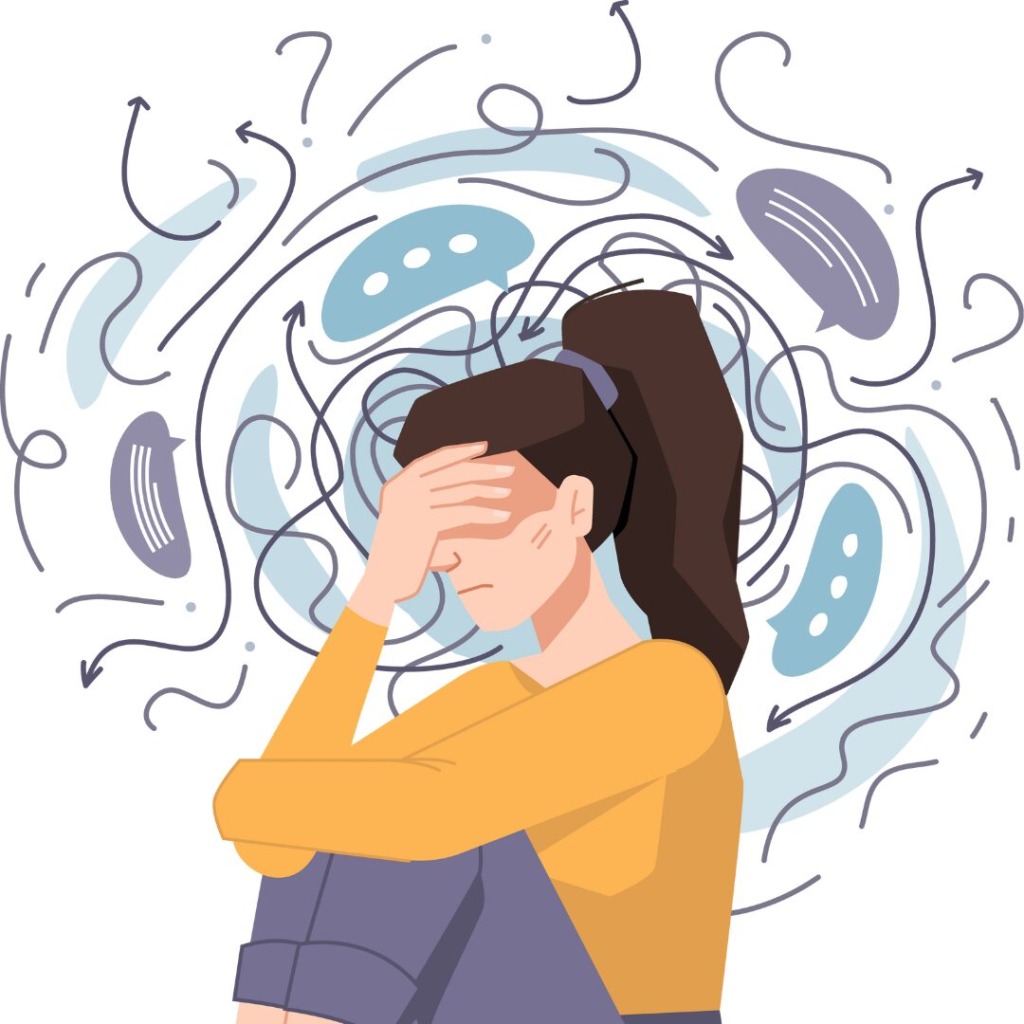
Chronic pain can be exhausting, both physically and mentally. For those living with myofascial pain syndrome (MPS), a condition that causes persistent muscle and fascia-related pain, the toll goes far beyond the body itself.
At Cantera Psychiatry in San Antonio, Texas, we understand that pain is never just physical. The mind and body are deeply connected, and when discomfort becomes a constant companion, it often impacts emotional well-being, mood, and even relationships. This article takes a closer look at the connection between chronic pain and mental health, and how compassionate care can help.
What is Myofascial Pain Syndrome?
Myofascial pain syndrome is a chronic pain disorder affecting the fascia – the connective tissue that surrounds and supports your muscles. While the exact cause can vary, it often develops due to:
- Muscle overuse or injury
- Stress and tension
- Poor posture or repetitive movements
- Underlying medical conditions
Unlike temporary aches, myofascial pain is persistent, and it doesn’t always respond to rest, over-the-counter medicine, or massage. This can make it frustrating and difficult to manage on your own.
Symptoms and Daily Impact
People with MPS may experience:
- Deep, aching muscle pain
- Muscle tightness or stiffness
- Headaches, facial pain, or back pain
- Fatigue and sleep disturbances
Over time, this ongoing pain can interfere with daily routines, work, and personal relationships, leading many people in San Antonio and beyond to feel isolated or overwhelmed.
The Mental Health Connection

Chronic pain doesn’t just affect the body, it changes how you feel, think, and connect with others. Many people living with MPS also experience:
- Anxiety about when pain will flare up
- Depression related to activity limitations or feelings of hopelessness
- Sleep problems that make pain and mood worse
- Social withdrawal due to fatigue or discomfort
Research shows that pain and mental health are deeply intertwined. Chronic pain and depression, for example, share overlapping pathways in the brain involving serotonin and norepinephrine – two key neurotransmitters that influence both mood and pain perception. This helps explain why living with long-term pain so often comes with emotional challenges, and why addressing both together is essential.
Treatment and Support
While there isn’t a one-size-fits-all cure for MPS, there are effective ways to manage both the physical and emotional aspects. At Cantera Psychiatry, we take a holistic, whole-person approach to care.
Physical Therapies
- Gentle exercise such as walking, stretching, swimming, or yoga
- Physical therapy to improve posture, movement, and flexibility
- Barnes-style Myofascial Release (MFR): Dr. Ansbro offers this hands-on, deeply intuitive technique to support soft tissue unwinding. Unlike methods that force the body, MFR works by listening to subtle cues in the fascia and encouraging release of long-held tension and trauma. From a physiological standpoint, it supports the parasympathetic nervous system and helps ease patterns of pain, fatigue, or emotional dysregulation.
Dr. Ansbro trained in this method because it aligns with her belief that healing happens when we create safety, stillness, and space. For patients, MFR can mean not just relief, but also a deeper reconnection with the body’s natural ability to restore balance.
Pharmacological Options
- Pain relievers, anti-inflammatories, or muscle relaxants
- In some cases, antidepressants or sleep aids may be considered when mental health is also affected
Psychological Support
- Cognitive Behavioral Therapy (CBT) to address the emotional toll of chronic pain
- Mindfulness, guided relaxation, and stress management strategies
Lifestyle Adjustments
- Ergonomic workspaces and posture support
- Prioritizing restorative sleep, balanced nutrition, and consistent movement
- Counseling or support groups to reduce isolation and improve coping
Why Psychiatry Matters in Pain Care

At Cantera Psychiatry in San Antonio, we recognize that chronic pain is never just about the body. Our clinic provides advanced psychiatric treatments for people who have struggled to find relief, including options like Spravato® (esketamine), Transcranial Magnetic Stimulation (TMS), and Theta Burst Stimulation (TBS). For patients whose pain and mood are deeply linked, these evidence-based treatments may offer a path forward when traditional options haven’t worked.
You Don’t Have to Live in Constant Pain
If you’re struggling with ongoing muscle and fascia-related pain and it’s taking a toll on your mental health, you’re not alone. Myofascial pain syndrome is a real and challenging condition, but with the right support, it is possible to break the cycle of pain and emotional distress. Cantera Psychiatry is here in San Antonio to help you navigate both the physical and mental aspects of chronic pain, so you can reclaim your energy, resilience, and quality of life.